
French Duck Confit (Confit de Canard)


Ingredients
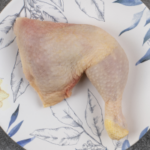
 2 Duck leg
 Sea salt (coarse)
 2 sprigs Thyme
 2 Garlic clove
 3 Bay leaves
 Black pepper
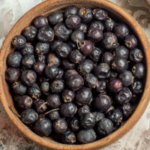 Juniper berries (optional)
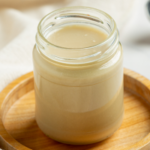 500 g Duck fat (enough to cover the legs)
 1 glass Water
Instructions
Cure the duck:
- Place the duck legs in a dish and massage them well all over with coarse sea salt.
- Add the thyme sprigs, crushed bay leaves, halved garlic cloves, black pepper, and (optional) juniper berries. Massage again so the aromatics coat the legs evenly.
- Cover the dish with cling film and refrigerate for 12 to 24 hours.
Prepare the duck confit:
- Rinse the duck legs thoroughly under cold water to remove the excess salt. Keep the aromatics, you’ll use them again for cooking.
- In a heavy pot or casserole, add the duck fat, the glass of water, and the reserved aromatics. Warm gently until the fat has fully melted.
- Add the duck legs, making sure they are fully submerged.
- Reduce the heat to the lowest possible setting to maintain a very gentle simmer (barely trembling). Do not cover.
- Cook for at least 2 hours 30 minutes, until the meat is tender and almost falling off the bone.
- You can eat them immediately or store them in the fridge for later.
Storage & Reheating
- Once the duck legs are cooked, transfer them to a clean container. Strain the cooking fat through a fine sieve directly over the legs, making sure they are fully submerged.
- Let it cool completely, then seal or cover with cling film and refrigerate. They will keep for up to 3 months if well sealed – though they’re so delicious you might struggle to wait that long!
- When you’re ready to enjoy them, lift the legs out of the fat and drain off the excess. Pan-fry them, skin side down, until the exterior is beautifully crisp and golden.
Notes
FAQs
What is Duck Confit (Confit de Canard)?
Duck Confit is a traditional French dish where duck legs are slowly cooked in their own fat until tender, then crisped before serving. It’s rich, flavourful, and a classic of French cuisine.
Why is it called “confit”?
Confit comes from the French word confire, meaning “to preserve.” Duck legs were traditionally salted and slow-cooked in fat to keep them fresh for months—long before refrigeration existed.
What duck cuts are best for confit?
Duck legs are traditional because they become incredibly tender during slow cooking. Duck wings can also be used, but breasts are not suitable for confit.
How long does it take to cook duck confit?
Typically 2–3 hours at a low temperature until the meat is meltingly tender and falling off the bone.
Can I make duck confit without duck fat?
Ideally, you need duck fat for the authentic flavour and preservation. If you don’t have enough, you can supplement with goose fat or a neutral oil, but the taste won’t be quite the same.
Can duck confit be made ahead of time?
Yes – it’s an excellent make-ahead dish. Duck confit improves as it rests and can be stored submerged in fat in the fridge for up to a week, or even longer in sealed containers.
How do I crisp the duck before serving?
Heat the duck legs skin-side down in a hot pan or oven until the skin becomes golden and crispy. This step gives confit its famous contrast of crispy skin and tender meat.
What should I serve with Duck Confit?
Classic sides include sautéed potatoes, French green beans (haricots verts), lentils, or a simple green salad.
Is Duck Confit gluten-free?
Yes – traditional duck confit contains no gluten. Just ensure any sauces or sides you serve are also gluten-free.
How long can I store the duck confit in the fat?
If the legs are fully submerged in the strained fat, with no air bubbles, they will keep perfectly in the refrigerator for up to 3 months. The fat acts as a preservative. Always use a clean utensil to remove legs to prevent contamination.
Can I freeze duck confit?
Absolutely. Freeze the duck legs completely cooled and sealed, ideally still covered in fat. Thaw overnight in the fridge, then crisp up before serving.
Does duck confit taste very fatty?
Surprisingly, no. Most of the fat remains in the cooking pan. The meat becomes tender rather than greasy, with a deep, savoury flavour.
Is the 12-24 hour curing step absolutely necessary?
Yes. This is the confit process. Curing with salt draws out moisture, seasons the meat deeply, and begins to break down proteins, ensuring the final result is flavourful and fall-off-the-bone tender. Do not skip or shorten this step.
Why add a glass of water to the fat at the start?
This is a classic technique to control the temperature. The water boils off first, ensuring the fat never gets too hot too quickly. It prevents the duck from frying and guarantees a gentle, slow poach that renders the fat and tenderises the meat perfectly.
How do I know when the confit is done cooking?
After 2.5 hours, the meat should pull away from the bone with very little resistance when tested with a fork. The skin will be pliable and golden. It is almost impossible to overcook confit at this low temperature, so err on the side of more time if unsure.
Can I eat the legs straight after poaching, or must I store them?
You can eat them immediately, but the texture and flavour are vastly improved after a rest in their fat. The meat firms up, becomes more succulent, and the flavours meld. For the classic experience, store them for at least 24 hours, or up to several weeks.
What should I do with the leftover strained cooking fat?
This is liquid gold. Strain it well and store it in a jar in the fridge. Use it for roasting potatoes (the ultimate), frying eggs, or sautéing vegetables. It is packed with flavour and can be reused for your next batch of confit.
Can I confit other meats this way?
The method is classic for duck and goose legs. You can also confit pork belly or chicken thighs, but adjust the curing time (chicken needs far less) and ensure the meat is fully submerged in fat. The principles remain the same: salt, time, and slow, gentle heat in fat.
What are the traditional accompaniments?
Serve with crispy pommes sarladaises (potatoes fried in duck fat), a simple green salad with a sharp vinaigrette to cut the richness, or slow-cooked white beans (cassoulet). A garnish of flaky sea salt and a few cornichons are also perfect.


This may be the best thing I have ever put in my mouth
The Confit de Canard was perfectly cooked with crispy skin and tender meat