
French Toast (Pain Perdu)


Ingredients

 400 g Stale bread cut into 2cm-thick slices can be swapped with brioche
 500 ml Milk
 75 g Sugar (caster) + get a bit more to be sprinkled on top
 2 Eggs
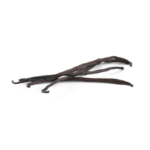 ½ Vanilla pod
 50 g Butter (unsalted)
Instructions
- In a saucepan, pour the milk, add the sugar and the halved vanilla pod. Warm gently, stirring until the sugar dissolves.
- Pour the mixture into a shallow dish. Add the slices of bread and let them soften for a bit so that the mixture gets into the heart of the slice. Not for too long or they will get mushy.
- In another shallow dish, beat the eggs until well blended.
- Dip the bread slices into the beaten eggs and fry them until golden on both sides.
- Sprinkle with sugar and serve!
Notes
FAQs
What type of bread is best for French Toast?
Thick, slightly stale bread works best, such as brioche, challah, or a country loaf. Stale bread absorbs the custard without falling apart, giving a soft inside and crispy outside.
Can I make French Toast without eggs or dairy?
Dairy-free: Substitute the milk with an unsweetened, creamy plant milk like oat or soy. Use a dairy-free butter or oil for frying.
Egg-free: This is very challenging, as the egg is crucial for binding and texture. A thin batter of chickpea flour (besan) and plant milk can create a coating, but the result will be different.
How do I make French Toast fluffy and not soggy?
Whisk eggs, milk, sugar, and a pinch of salt thoroughly. Don’t soak the bread too long—just enough to absorb the custard. Fry on medium heat for a golden, crispy exterior while keeping the inside tender.
Can I prepare French Toast ahead of time?
You can assemble the dish up to the point of frying. Soak the bread slices in the milk mixture, then store them in a single layer on a rack set over a tray in the fridge for up to 2 hours. This allows even absorption. Dip in egg just before frying.
How do I prevent French Toast from sticking to the pan?
Use a non-stick skillet or well-seasoned cast-iron pan. Add butter or neutral oil, and ensure the pan is preheated to medium heat before adding the soaked bread.
What are some popular toppings for French Toast?
The traditional finish is a simple sprinkle of caster sugar. From there, the world is yours: fresh berries, honey, maple syrup, or a dusting of icing sugar and cinnamon. For a truly French finish, a spoonful of jam or compote.
Can I make French Toast crispy?
Yes! Coat the soaked bread lightly with sugar before frying, or use slightly thicker slices. Cooking on medium heat and avoiding overcrowding the pan helps create a golden, crispy surface.
Can French Toast be baked instead of fried?
For a healthier, hands-off version, yes. Arrange the soaked and egg-dipped slices on a buttered baking sheet. Dot with butter and bake at 190°C for 20-25 minutes, flipping halfway, until puffed and golden. The texture will be more uniformly soft, lacking the fried crispness.
How long does French Toast last?
Cooked French Toast is best eaten immediately. You can store leftovers in the fridge for 1–2 days and reheat in a skillet or oven to restore crispness. Avoid microwaving, as it can make it soggy.
Does the bread really need to be stale?
Yes, ideally. Stale, dry bread acts like a sponge, soaking up the custard without disintegrating. Fresh bread becomes soggy and falls apart. If your bread is fresh, dry the slices in a low oven (120°C) for 15-20 minutes first. The name Pain Perdu (“lost bread”) is a clue. It’s a rescue mission for yesterday’s loaf.
How long should I soak the bread?
This is the critical step. Soak it just until the centre of the slice feels soft and saturated when gently pressed, usually 20-30 seconds per side for stale bread. A quick dip for fresh bread. If liquid pools on the surface, you’ve gone too far. You want it custardy inside, not wet.
Why do I dip it in egg after the milk mixture? Isn’t that redundant?
It’s the classic French technique for structure. The milk-sugar-vanilla soak provides flavour and sweetness throughout. The final egg dip creates a delicate, cohesive “skin” that fries to a beautiful, golden, slightly crispy exterior without the bread absorbing too much frying fat.
My French toast is burnt outside and raw inside. What’s the trick?
Your pan is too hot. Cook over medium-low heat. The goal is to gently set the custard all the way through as the exterior browns. If it’s browning in under 2 minutes per side, turn the heat down. Proper cooking takes patience (about 3-4 minutes per side).
Can I make a big batch for a crowd?
Absolutely. Soak and egg-dip the slices as per the recipe, then place them on a wire rack set over a baking sheet. Keep them in a single layer. Once all are prepared, you can fry in batches, keeping the cooked slices warm in a 100°C oven until all are done.

Throw in your flavor