
Béchamel by a Professional French Cook
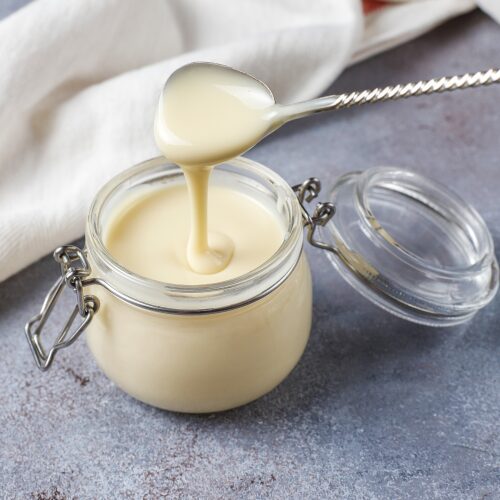
Ingredients

 100 g Flour (plain)
 100 g Butter (unsalted)
 1 L Milk
 Nutmeg (ground)
 Black pepper
 Salt
Salt
Instructions
- Melt the butter in a pot on the hob.
- Add the plain flour.
- Stir the butter and flour until it forms a paste.
- Incorporate the milk little by little by whisking it with a whisk.
- Season with salt, pepper and nutmeg.
- Wait for it to boil.
- It's ready!
Notes
FAQs
Why is the ratio of butter to flour exactly 1:1?
This is the classic roux ratio for a perfect, medium-thick béchamel (a “white roux”). Equal parts fat and flour by weight guarantees a smooth texture without a raw flour taste. Altering the ratio changes the sauce’s purpose – more flour makes a thicker paste for croquettes, less makes a thinner sauce.
Do I really need to add the milk “little by little”?
Absolutely. This is the professional’s non-negotiable technique. Adding the milk in a slow, steady stream while whisking constantly ensures the roux absorbs the liquid evenly, preventing lumps from forming. Dumping it all in at once is a guaranteed path to a lumpy sauce.
Why does my béchamel taste like raw flour?
You didn’t cook the roux long enough before adding the milk. After combining the butter and flour, you must cook this paste (roux) over medium heat for at least 2-3 minutes, stirring constantly, until it froths and smells slightly nutty. This cooks out the raw flour flavour.
How do I fix a lumpy béchamel?
Stop cooking. Immediately pass the sauce through a fine-mesh sieve, pressing the lumps through with the back of a ladle. Alternatively, use an immersion blender to blitz it until perfectly smooth. The key is to act fast before the starch sets.
Can I use a different type of milk?
For the classic sauce, use whole (full-fat) milk. For a lighter version, semi-skimmed works but will be less rich. Avoid skimmed milk. For a non-dairy version, use an unsweetened, creamy plant-based milk like oat or soy, but note the flavour and browning properties will diff
Is the nutmeg essential?
In French cuisine, yes. A few gratings of fresh nutmeg (about 1/8 teaspoon) are non-negotiable. It adds a subtle, warm depth that balances the richness. Pre-ground nutmeg works in a pinch. Do not skip it.
How long can I keep béchamel and how do I store it?
Press a piece of cling film directly onto the surface to prevent a skin from forming. It will keep in the fridge for up to 3 days. Reheat it gently in a saucepan over low heat with a splash of milk, whisking constantly. It will thicken as it cools.
Can I freeze béchamel?
Yes, but the texture may be slightly grainier upon thawing. Freeze it in a flat, airtight container. Thaw in the fridge overnight and reheat gently with vigorous whisking, adding a little milk to bring it back to the right consistency. It’s best used in baked dishes (like lasagne) after thawing.
Why does a skin form on top, and how do I prevent it?
A skin forms as the sauce cools and the starches on the surface dry out. To prevent it, either use it immediately, or follow the storage tip above (cling film on the surface). If a skin forms, simply whisk it back in when reheating – it will dissolve.
My bechamel sauce is too thick/thin. How do I adjust it?
Too thick: Whisk in additional warm milk, a few tablespoons at a time, until desired consistency is reached.
Too thin: Cook it a little longer to evaporate more liquid, or make a small beurre manié (equal parts soft butter and flour kneaded together) and whisk it in, cooking for a minute to thicken.


Throw in your flavor