
French Dishes Everyone Gets Wrong (And How to Fix Them)
Look, we’ve all been there. You follow a recipe, you buy the “authentic” ingredients, you spend what feels like a minor eternity in the kitchen. The result tastes… fine. But it doesn’t taste like that dish you had in that little bistro where the waiter sighed at you. It’s missing something.
The good news is, you’re probably not missing an ingredient. You’re missing a principle. And in French cooking, the principle is almost always simpler, cheaper, and less fussy than you think. Let’s fix a few classics.
Gratin Dauphinois: It’s Not About the Cheese
The Mistake: Piling on the Gruyère. If your potato gratin is a rubbery, oily crust drowning a bland potato mush, congratulations, you’ve made a cheese bake, not a gratin dauphinois.
The Fix: The star is the potato. The magic is the cream. Cheese is optional, and if used, it’s a whisper, not a shout. Authentic gratin dauphinois is thinly sliced potatoes, slowly baked in garlic-infused cream and milk until they surrender into something so rich and tender, it feels like a cloud made of butter. The top should be a golden, bubbling cream crust, not a leathery cheese blanket. The flavour comes from the slow cooking and the fat, not a mountain of fromage.
The proper, minimalist approach is simpler than you think.

Carbonara: The French-Italian Truce
The Mistake: Adding cream. Yes, this is an Italian dish, but the French have adopted it, and mon Dieu, we’ve mucked it up too. Cream is a security blanket for a sauce that’s already perfectly warm and creamy. It’s also what makes it cloying and heavy.
The Fix: The sauce is an emulsion, not a béchamel. It’s made from starchy pasta water, beaten eggs, grated cheese, and the fat from crispy pancetta or guanciale. The heat from the pasta cooks the eggs gently, creating a silky coating that clings to each strand. The result is rich, yes, but also light and savoury. Adding cream is like putting a raincoat on over a perfectly tailored suit. It misses the point entirely.
If you’re nervous, a touch of cream can help, but understand you’re taking a shortcut. Here’s the version with training wheels.

Quiche: It’s Not a Fridge-Clearing Exercise
The Mistake: Treating the filling like a culinary dumpster. Overloading it with broccoli, ham, three cheeses, and sun-dried tomatoes results in a soggy, dense brick that weeps water. The crust is sad. The texture is tragic.
The Fix: A quiche is a custard pie. The starring act is the silky, barely-set mixture of eggs and cream. Fillings are seasoning, not the main event. They must be dry (cooked spinach must be squeezed, mushrooms sautéed until dry) and used sparingly. The texture should be delicate, wobbling gently, not a solid casserole. Get the custard right first. Then, and only then, think about adding a handful of lardons or some grated cheese.
Master the base, then accessorise. Start with the perfect template.

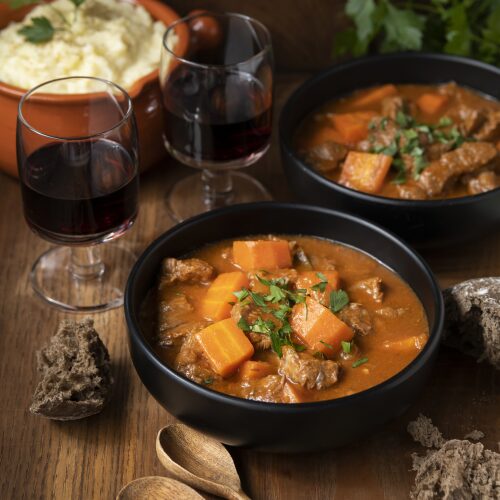
Beef Bourguignon: Why Yours Tastes Like Brown Water
The Mistake: Not building layers of flavour. Browning the beef, then drowning it in wine and stock for three hours is a good way to make beef-flavoured soup. The depth comes before the stewing, not during.
The Fix: You need two things: a proper fond and time. The fond is the delicious crust of browned bits left in the pan after searing the beef. Don’t lose it. Deglaze it properly with your wine, scraping every last bit into the liquid. Then, sauté your bacon, onions, and mushrooms separately before adding them. Each ingredient gets its moment to develop flavour. The long stewing merely marries them. Skip these steps, and yes, it will taste bland. It’s meant to be simple, not lazy.
You can get deep flavour without a full-day commitment. Here’s how to cheat (properly).

Tartiflette: Stop Worrying About the Cheese
The Mistake: Obsessing over finding Reblochon. I get it. The recipe says Reblochon. But the soul of a tartiflette is not one specific cheese. It’s the principle: potatoes, bacon (lardons), onions, and a funky, creamy, melting cheese that makes a glorious mess.
The Fix: Use what you have. A combination of a melty cheese (like a ripe Camembert or Brie) and something pungent (a bit of washed-rind cheese or even a strong blue) will get you 95% of the way there. The real magic is in the ratio: more potatoes than you think, enough bacon for salt and smoke, and onions cooked until sweet and golden. The cheese is the glue, not the architect. Don’t let authenticity be the enemy of a very good dinner.
The principle is greater than the parts. See the method in action here.

So there you have it. The secret to French cooking isn’t obscure ingredients or complicated techniques. It’s understanding the simple, non-negotiable principle at the heart of each dish. Often, doing it “properly” means doing less. Now you know. No more excuses.
Throw in your flavor