
Homemade Sauerkraut (Fermented White Cabbage)

Ingredients
- 600 g White cabbage approx. 1 medium cabbage
- 12 g Sea salt 2% of the shredded cabbage weight
- 1 tsp Caraway seeds
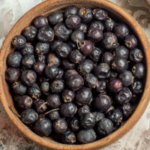
 1 tsp Juniper berries
Instructions
- Remove the tough outer leaves from the cabbage, but reserve one large, intact outer leaf and set it aside. Discard any remaining damaged or dirty outer leaves.
- Cut the cabbage into quarters, remove the hard core, and then shred it very thinly using a sharp knife, a mandoline, or the slicing blade of a food processor. Transfer all the shredded cabbage to a large mixing bowl. At this point, check how much your shredded cabbage weight and adjust the salt accordingly (=2% of shredded cabbage weight).
- Sprinkle the 12g of sea salt evenly over the shredded cabbage. Using your clean hands, massage and squeeze the cabbage vigorously for about 5 minutes. You will notice it gradually soften, reduce in volume by almost half, and begin to release a significant amount of liquid (brine). This brine is essential for successful fermentation.
- Sprinkle the caraway seeds and lightly crushed juniper berries over the massaged cabbage. Mix thoroughly with your hands to distribute them evenly.
- Transfer the cabbage mixture to your clean 750ml jar, including any liquid that has accumulated in the bowl. Pack it down firmly and tightly using your fist or the end of a rolling pin, pressing out any air pockets. The cabbage should be packed tightly, with the brine rising up to cover it.
- Wash the reserved outer cabbage leaf. Fold or trim it to fit snugly inside the neck of the jar. Place this leaf directly on top of the packed, shredded cabbage. This leaf acts as a barrier, keeping the smaller pieces submerged.
- Press down firmly on the cabbage leaf. The brine should rise up and completely cover the cabbage leaf by 1-2cm. If there is enough brine: Perfect! The natural liquid from the cabbage is sufficient.If there is not enough brine: Mix the ½ tsp salt with the 125ml water until dissolved. Spoon enough of this brine into the jar to completely cover the cabbage leaf by 1-2cm.
- To ensure the cabbage stays submerged during fermentation, you can place a small, clean glass ramekin or a sealed small zip-lock bag filled with water on top of the cabbage leaf, inside the jar. This acts as a weight.
- Close the jar with its lid, but do not screw it on too tightly – you want to allow gases to escape, or you'll need to "burp" it daily. Place the jar on a small plate or tray (to catch any potential overflow) and leave it at room temperature, out of direct sunlight, for about 2 weeks.
- Once a day, open the jar to release the built-up carbon dioxide gas (this is called "burping"). You may see bubbles rising – this is a good sign that fermentation is active. If using a weight, ensure the cabbage remains submerged after burping.
- After about 7 days, you can start tasting your sauerkraut. It should taste pleasantly sour and smell clean and tangy. The longer it ferments, the more tangy and complex the flavour will become. Continue fermenting until it reaches your preferred taste, up to 14 days or even longer.
- Once the sauerkraut is fermented to your liking, screw the lid on tightly and transfer the jar to the refrigerator. The cold temperature will significantly slow down the fermentation process. Your homemade sauerkraut will keep for several months in the fridge.
Notes
FAQs
Why is the salt quantity exactly 2% of the cabbage weight?
This ratio is critical for successful fermentation. It creates an environment where beneficial lactic acid bacteria thrive while inhibiting harmful bacteria. Too little salt risks spoilage; too much slows fermentation or makes it inedibly salty. Use a kitchen scale for precision.
Do I need special equipment like a fermentation crock?
No. A simple, clean glass jar (like a Kilner or recycled pickle jar) works perfectly. The key is ensuring the cabbage stays submerged under the brine, which the outer leaf and optional weight achieve. You don’t need expensive equipment.
What is the purpose of the reserved outer cabbage leaf?
It acts as a natural barrier. Placing this leaf on top of the shredded cabbage prevents small pieces from floating to the surface, where they could be exposed to air, potentially leading to mould. It keeps everything neatly submerged.
How do I know if my sauerkraut is fermenting properly?
You should see bubbles rising when you open the jar to burp it. The brine may become slightly cloudy, and the cabbage will change from bright white to a more translucent, pale yellow-green. It should smell clean, tangy, and pleasantly sour. Any foul or rotten smell indicates a problem.
What if I see mould on the surface?
Don’t panic immediately. A little bit of harmless white yeast (kahm yeast) can form on the surface. Skim it off thoroughly. If you see fuzzy mould of any other colour (green, black, pink), it’s safer to discard the batch. Ensure better submersion next time.
Why do I need to “burp” the jar daily?
Fermentation produces carbon dioxide gas. If the jar is sealed too tightly, pressure can build up, potentially causing the jar to explode or leak. Daily burping releases this pressure safely. If using a fermentation lid with an airlock, this step is automated.
My sauerkraut smells a bit like rotten eggs. Is it safe?
faint sulphurous smell can occur, especially early on, and often dissipates. However, a strong, persistent rotten egg or putrid smell is a sign of spoilage, likely from not being fully submerged. If the smell is offensive, discard it. Trust your nose.
Can I use a different type of salt?
Use pure, non-iodized salt. Iodine and anti-caking agents can inhibit fermentation. Fine sea salt, kosher salt, or pickling salt are ideal. Do not use table salt containing iodine or additives. The weight ratio is still 2%.
Can I add other vegetables or spices?
Absolutely. Once you master the basic method, experiment. Add shredded carrot, beetroot, grated apple, or garlic along with the cabbage. Classic additions include juniper berries, caraway seeds, bay leaves, or peppercorns. Keep the total vegetable weight and 2% salt calculation in mind.
How long does homemade sauerkraut last in the fridge?
Properly fermented and stored in the refrigerator, it will keep for several months (6 months or longer). The cold slows fermentation dramatically but doesn’t stop it entirely. The flavour will continue to mature and deepen over time.






Throw in your flavor