
Perfect Roast Chicken
Ingredients
For Chicken & Stuffing:
 1 Chicken (whole)
 1 Lemon
 1 Celery stalk
 1 branch Rosemary
 6 Garlic clove
 Herbs of your choice eg. Thyme
For the Tray & Gravy:
 2 Potatoes large
 4 Parsnips
 1 Onion (yellow)
- 2 Chicken Stock Pots
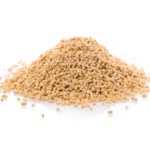 6 tbsp Chicken Gravy Granules
 6 mugs Water
 Salt
Salt Black pepper
Instructions
- Dice potatoes and parsnips into large chunks.
- Preheat your oven to 200°C (fan oven). Roughly chop the potatoes and parsnips into large, even chunks. Slice the onion.
- In a jug, dissolve the 2 chicken stock pots and 5-6 dessert spoons of gravy granules in boiling hot water. Mix until smooth. It should have a semi-thick, gravy-like consistency.
- Pat the chicken dry. Generously season the inside and outside with salt and pepper. Stuff the cavity with the halved lemon, the celery stalk, the rosemary branch, and the whole cloves of garlic (and any other herbs you're using).
- Scatter the chopped potatoes, parsnips and onion over the bottom of a large roasting tray. Place the stuffed chicken on top of the vegetables, so it's elevated.
- Pour the prepared broth into the tray, around the vegetables. For extra flavour, pour a little of the broth over the top of the chicken. Cover the entire tray tightly with aluminium foil, creating a sealed parcel.
- Place the tray in the preheated oven and roast for 1 hour.
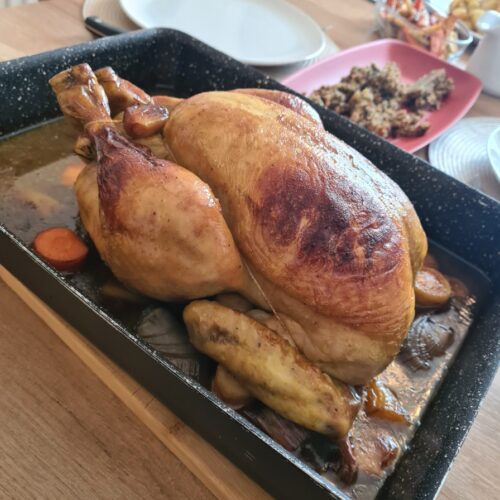
- After 1 hour, carefully remove the tray from the oven and take off the foil. Return the uncovered tray to the oven for a further 20-30 minutes, until the chicken skin is golden brown and crispy.
- Check & Serve: To ensure it’s cooked, insert a meat thermometer into the thickest part of the thigh; it should read at least 75°C. Let the chicken rest for 10 minutes before carving. Serve with the tender vegetables and the delicious gravy from the tray.
Notes
FAQs
Why do I need to cover the chicken with foil first?
This is the “steam-roast” secret. The sealed foil creates a humid oven environment, gently cooking the meat in its own juices and the surrounding broth. This guarantees incredibly moist, tender breast meat and prevents the skin from burning before the inside is cooked.
Can I use different vegetables under the chicken?
Absolutely. Root vegetables that can handle long cooking are perfect. Carrots, swede, celeriac, or whole shallots work well. Avoid watery vegetables like courgettes. The key is to cut them into large, even chunks so they don’t disintegrate.
Is the gravy made with granules and stock pots authentic?
This recipe prioritises guaranteed flavour and ease over classic technique. For a from-scratch gravy, after removing the chicken, skim excess fat from the tray juices, sprinkle in a tablespoon of flour, cook for a minute, then whisk in about 500ml of homemade or good-quality chicken stock. Simmer until thickened.
How do I know for sure the chicken is cooked without a thermometer?
The thermometer is the most reliable method (75°C in the thigh). Without one, pierce the thickest part of the thigh with a skewer; the juices should run completely clear, not pink. Also, the leg should wiggle freely in its joint.
Why is resting the chicken so important?
Resting allows the muscle fibres, which tighten during cooking, to relax and reabsorb their juices. If you carve immediately, all those precious juices will flood the cutting board, leaving you with dry meat. Ten minutes is the minimum; 15-20 is even better.
Can I stuff the chicken with something other than lemon and herbs?
You can, but avoid dense, starchy stuffings (like bread stuffing) inside the cavity, as they slow down the heat penetration and can be a food safety risk. Aromatics like onion, apple, or whole heads of garlic are excellent, flavour-infusing alternatives.
My skin didn’t get crispy in the final 30 minutes. What can I do?
Ensure the chicken is patted bone dry before seasoning. After removing the foil, you can increase the oven temperature to 220°C for the final crisping phase. For extreme crispness, rub a little softened butter or oil over the skin before the uncovered roast.
Can I prepare this ahead of time?
You can prep the vegetables and make the broth ahead. You can also season the chicken and stuff it, then refrigerate it uncovered for a few hours to dry the skin further (which helps crispiness). Do not leave a stuffed raw chicken at room temperature.
What’s the best way to carve it?
Let it rest first. Remove the legs and wings by cutting through the joints. Slice the breast meat off the carcass in long, even slices. Alternatively, for a rustic approach, simply cut the whole chicken into quarters. Serve with the vegetables and all the glorious pan juices.
What do I do with the leftover garlic from the cavity?
That is your cook’s treat. The roasted garlic will be sweet, soft, and spreadable. Squeeze it out of the skins and mash it into the tray juices for the gravy, spread it on bread, or eat it straight from the clove. It is the best part.




I’ve tried this chicken roast and it so tasty – really good tips to get a crispy golden brown top while keeping the chicken moist. Awesome for Sunday roasts!!